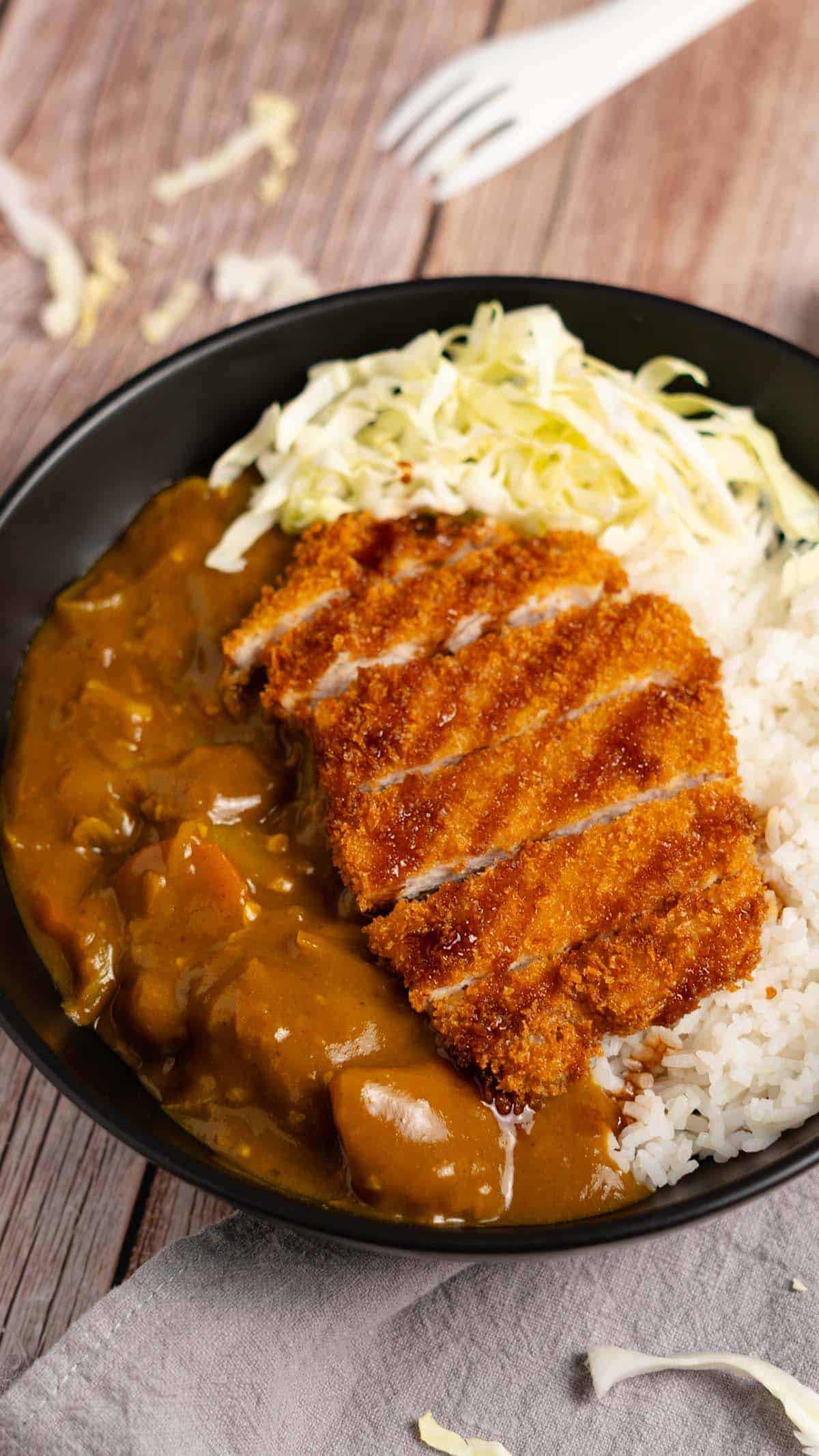
Although pork katsu curry seems like a lot of work to make, it’s very rewarding in the end. It’s so satisfying when you place the sliced, crispy, deep-fried pork cutlet on top of a golden Japanese-style curry and a bed of steaming white rice. Then, you drizzle the sweet and sour tonkatsu sauce on top of the pork cutlet.
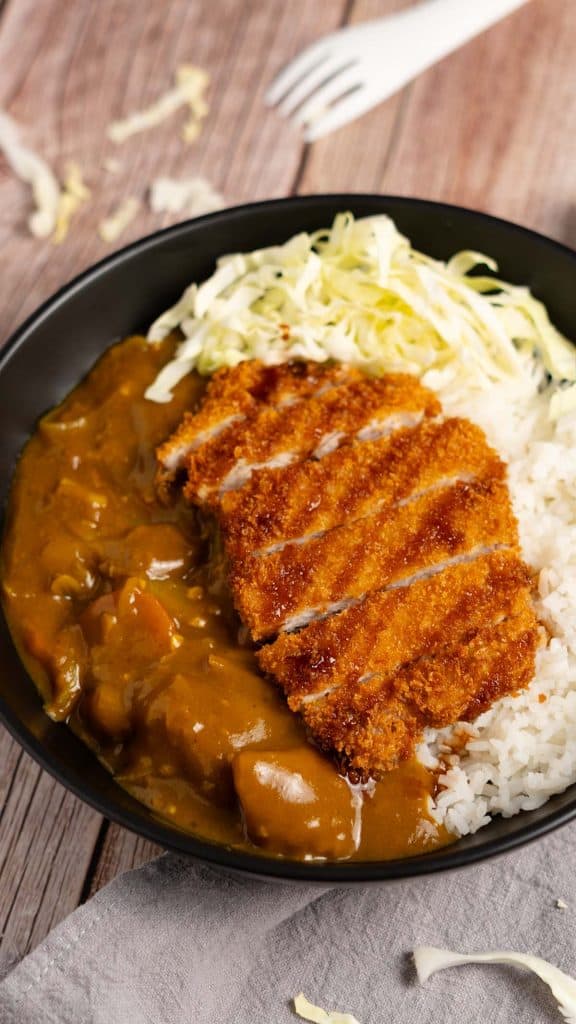
The first time I had pork katsu curry was at a Japanese restaurant chain called Go Go (or Gorilla) Curry in Japan’s anime town called Akihabara. The pork katsu was juicy on the inside and crispy on the outside, and the curry sauce was flavourful.
I wanted to bring back some memories of our trip in Japan, by making pork katsu curry at home, and now I’ll be sharing the recipe with you. To make the pork katsu curry healthier than the restaurant curry I had, I added vegetables in the curry. I also added more seasoning to the pork cutlet to give it more flavour than a regular Japanese tonkatsu. It actually resembles a pork schnitzel a bit more because of that.
Equipment You’ll Need
- Heavy-bottomed pot – I use a Dutch oven. This will be useful for deep frying since sometimes the oil can bubble quite aggressively.
- Tongs – This is useful for moving the pork chops around the oil and taking them out of the oil.
- Large saute pan
- Spatula
- Cooling rack – (Nice to have)
- Meat mallet – (Nice to have)
- Digital thermometer (Also nice to have)
Ingredients
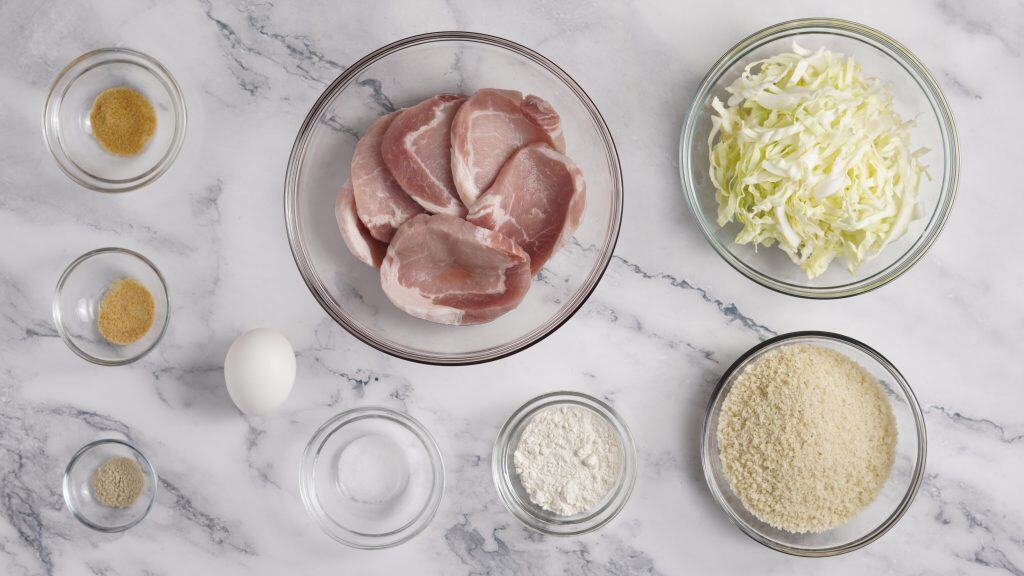
- Pork loin – Try to buy pork loin that is whole and not pre-sliced. You can control the thickness of the slices if you slice it yourself, and it’s cheaper than pre-sliced pork loin. Pre-sliced pork loin is usually too thick for tonkatsu in my opinion.
- Panko crumbs – Panko crumbs should be used here for maximum crunchiness instead of other types of bread crumbs.
- Egg – Allows the panko crumbs to stick to the pork loins and contributes to the golden brown colour after deep-frying.
- Flour – The pork loins are coated in flour first so that the egg can stick to the pork loins.
- Salt – To enhance the flavour of the tonkatsu and curry
- White pepper – Adds a bit of a kick and earthiness to the tonkatsu
- Garlic powder – Enhances the flavour of the tonkatsu
- Onion powder – Adds extra umami and savouriness to the pork loin
- Cabbage – A vegetable side that pairs well with pork
- Oil – for deep frying and frying aromatics in the curry
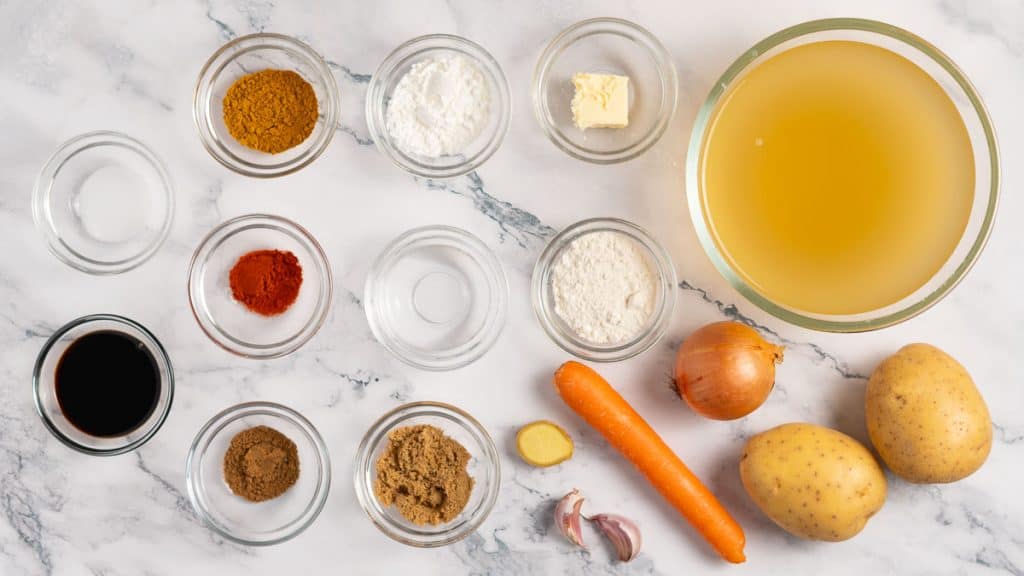
- Potatoes – Any type of potato is ok for curry
- Carrots
- Onions – Yellow or white onions will do.
- Garlic – Makes the curry flavourful.
- Ginger – Adds a bit of a kick to the curry
- Unsalted chicken stock – You may use salted chicken stock, but omit or adjust the salt.
- Unsalted butter – Adds a bit of richness to the curry
- Dark soy sauce – You can use soy sauce as a substitute, although the curry may end up a bit saltier.
- Brown sugar – Can substitute with any type of sugar
- Curry powder – A key ingredient in curry
- Garam masala – Also a key ingredient in curry
- Paprika – Adds a bit of a kick and sweetness to the curry
- Flour – Used as a thickener for the curry
- Cornstarch – Also used to thicken the curry
- Steamed white rice – To be served with the pork katsu curry
How to make Pork Katsu curry
To make the pork katsu curry, let’s start with making the curry.
How to make the curry
We’ll melt the butter on medium heat in a large saute pan.
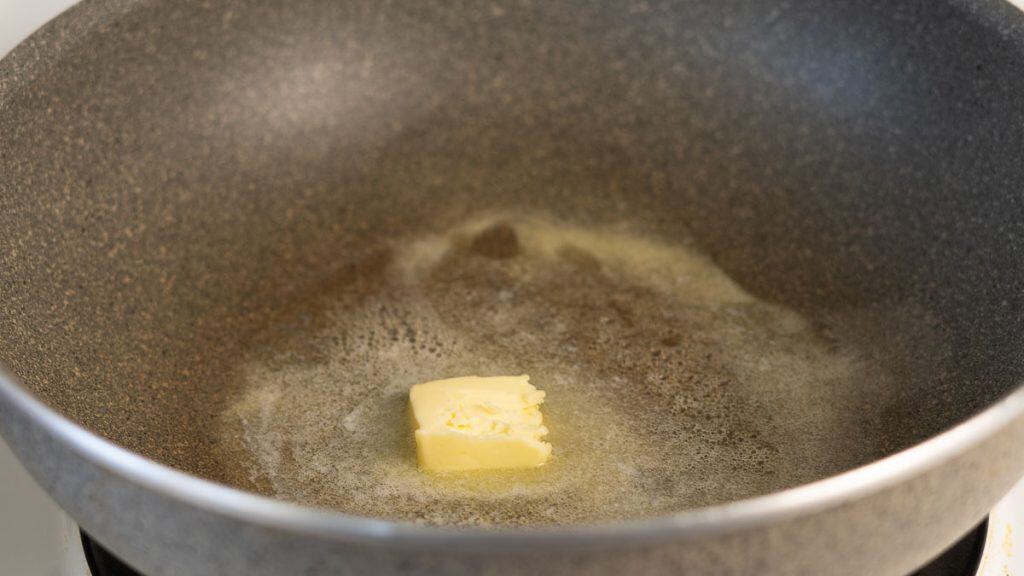
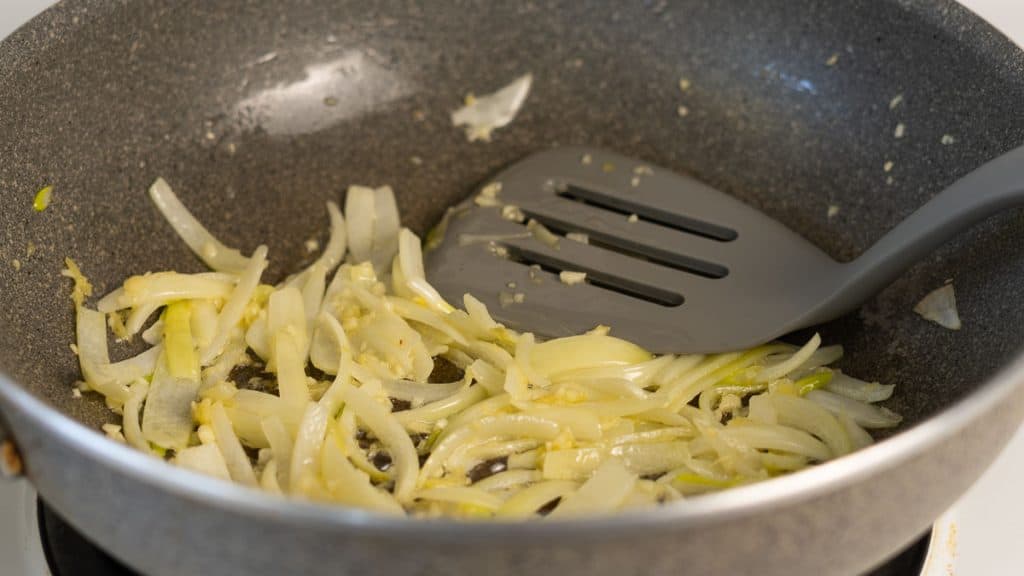
Then, we’ll add our aromatics (garlic, ginger and onions) and fry them until they’re fragrant and the onions are slightly browned. We want to release maximum flavour from our aromatics.
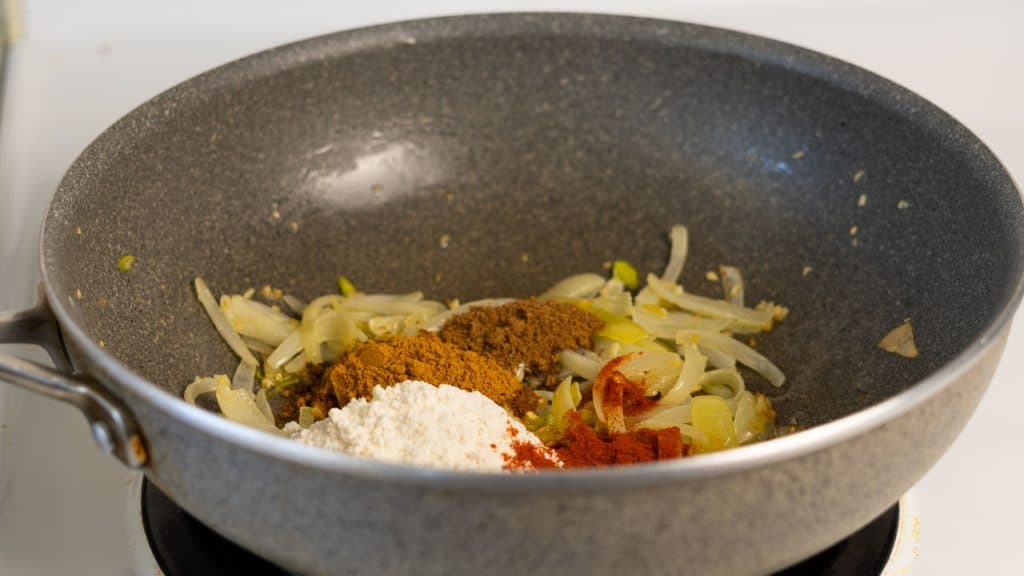
Next, we’ll stir in flour, curry powder, garam masala and paprika for the next 30 seconds. We want to toast our spices a little bit to help them release more flavour.
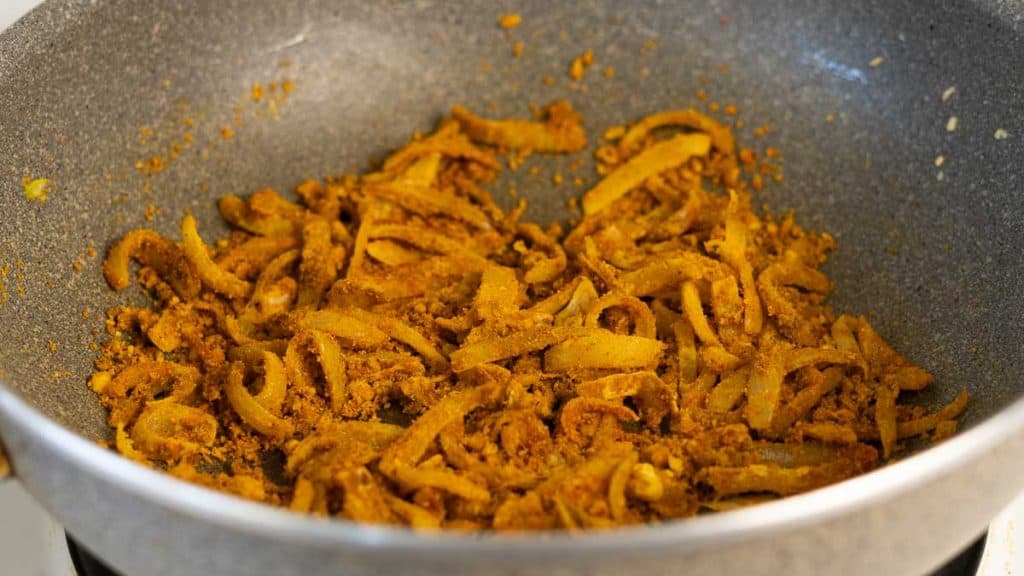
Now, we’ll stir in the rest of the ingredients: potatoes, carrots, chicken broth, salt, brown sugar, and soy sauce. Add enough chicken broth or top it off with water so that we submerge the potatoes completely. Then, we’ll cover it and bring it all to a boil. Reduce the heat to a simmer and cook for 15-20 minutes or until potatoes are fork tender.
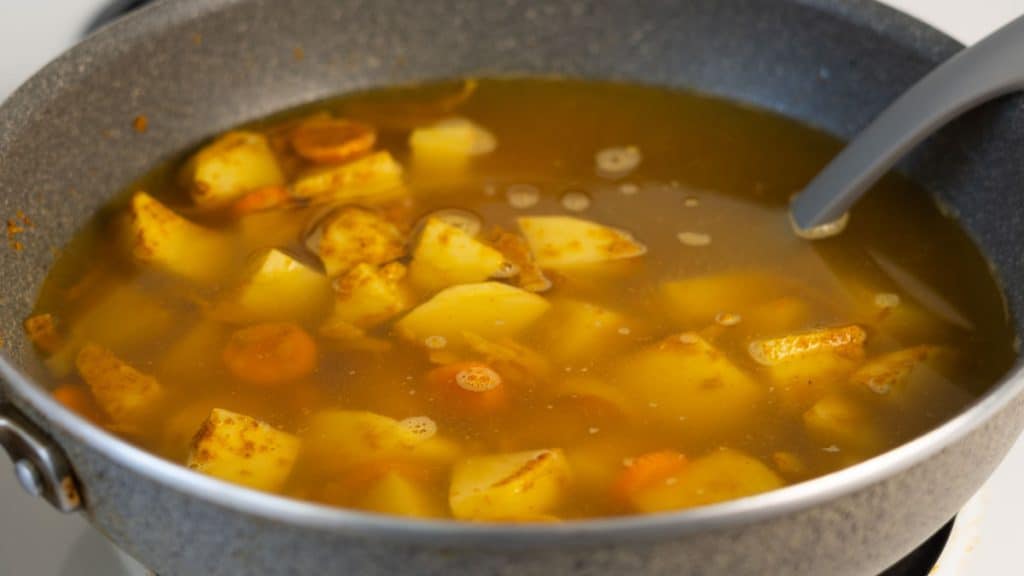
Then, we’ll thicken the curry with cornstarch. Mix cornstarch with cold water to make a cornstarch slurry. This helps us fully incorporate the cornstarch into the curry and hydrates the starch granules.
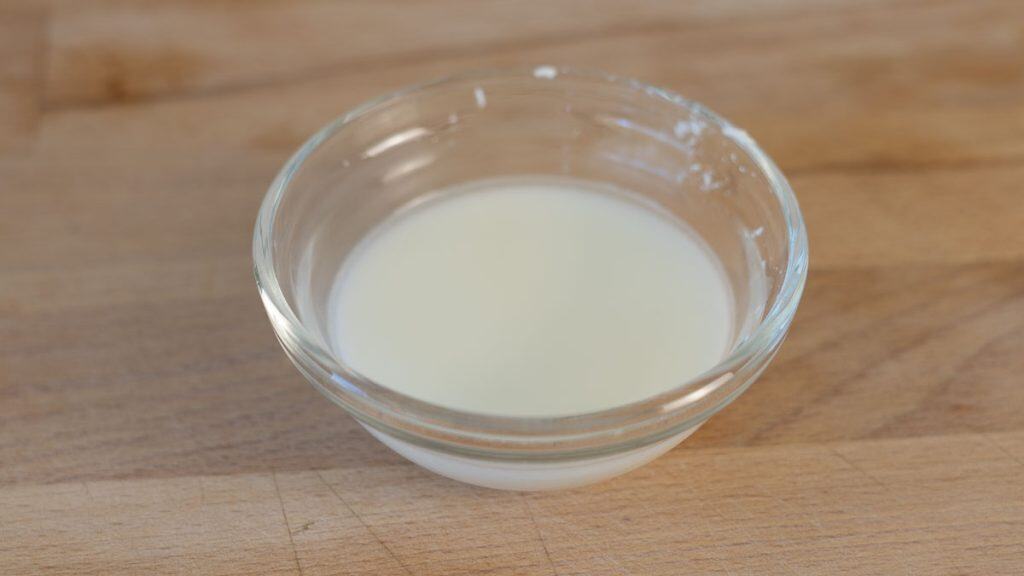
While constantly stirring the curry, we’ll gradually add the cornstarch in. The key is to slowly add the cornstarch slurry so that we give ourselves time to stir it into the curry and prevent any lumps from forming.
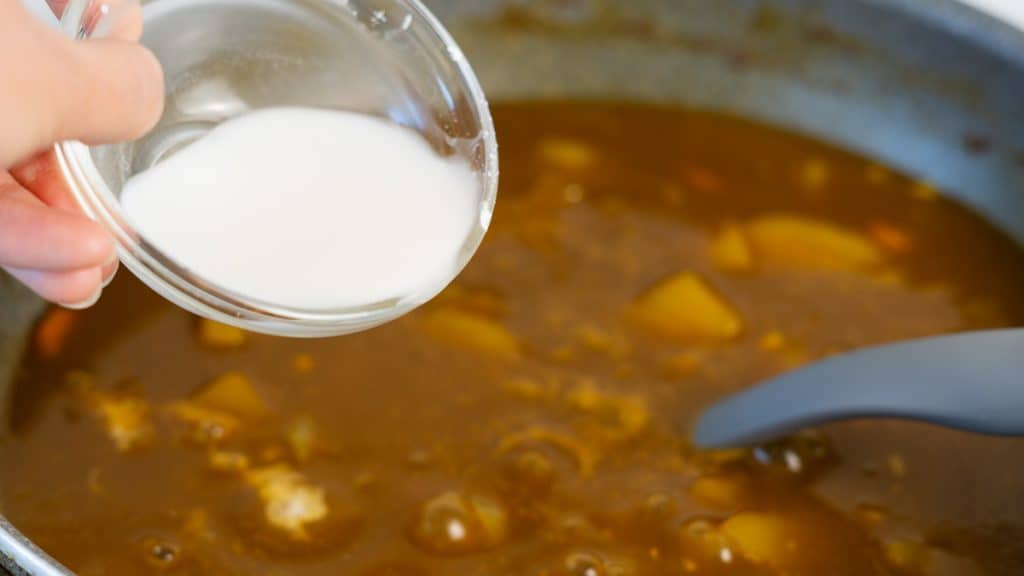
Then, keep stirring until the curry thickens. Increase the heat a bit if necessary. The flour, cornstarch slurry and even the potatoes help to thicken the curry to the desired consistency. The starch granules from these three ingredients swell in water from the chicken broth. They also release starch molecules into the broth during boiling. These molecules interact with each other to thicken the curry.
How to make the tonkatsu
Next, we’ll be making the pork cutlet. Make small cuts along the connective tissue of the pork loin. This step is optional but helps to prevent curling up of the pork cutlets during deep frying.
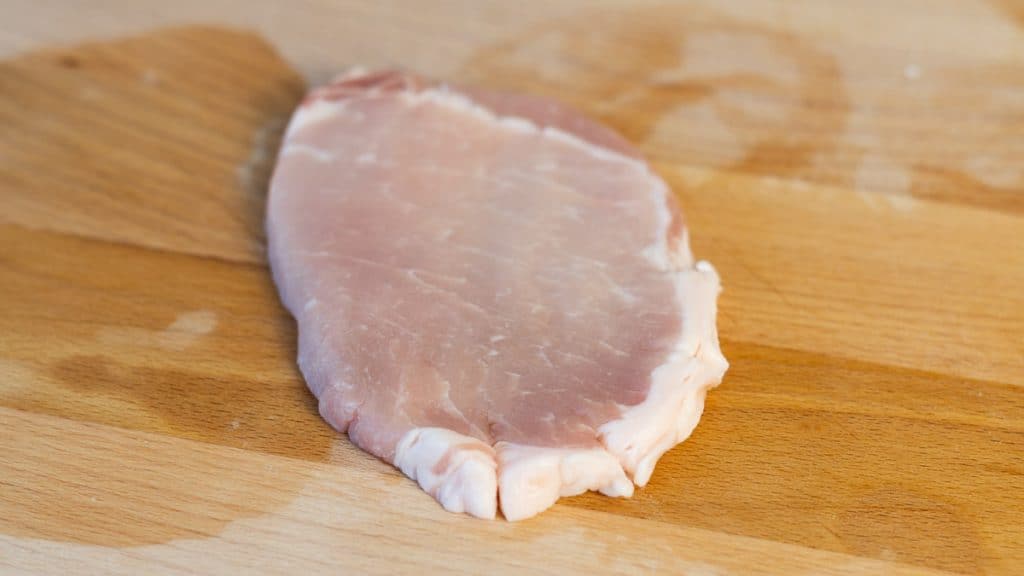
Use a meat mallet to tenderize and flatten the pork loin. This step is useful if you’re using pre-sliced pork loin, which tends to be thick. This step is not as necessary if you already have thinly sliced pork loin.

To make the tonkatsu extra flavourful, we’ll be seasoning it with salt, white pepper, garlic powder and onion powder. In a way, the pork cutlet is more like a pork schnitzel, since white pepper, garlic powder and onion powder aren’t typically in Japanese tonkatsu . You may omit the seasonings here if you wish but I find they add so much flavour to this dish. We’ll add the seasonings directly to the meat so that the meat itself tastes flavourful but also so that the spices won’t burn and will be protected by the breading during deep-frying.
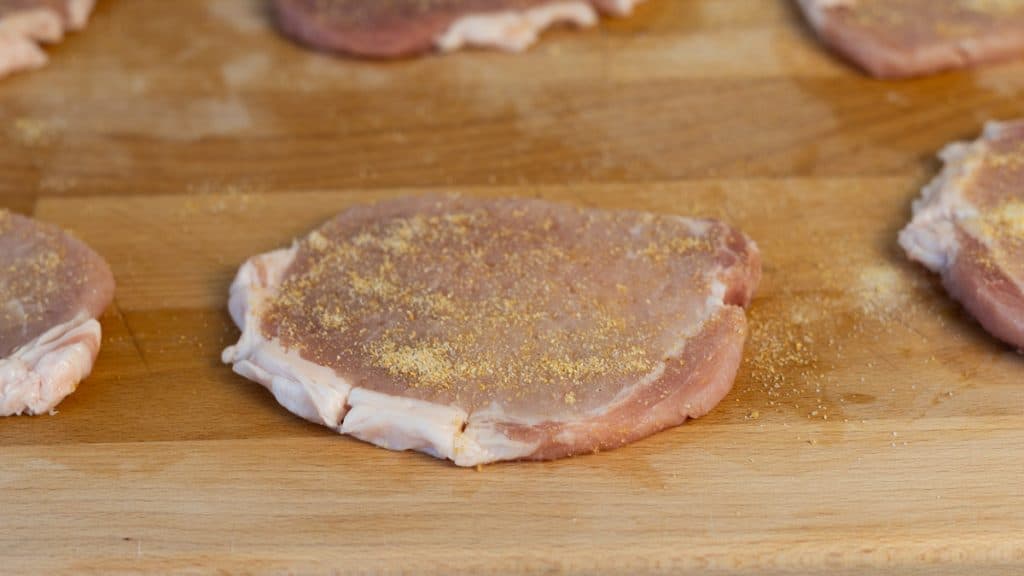
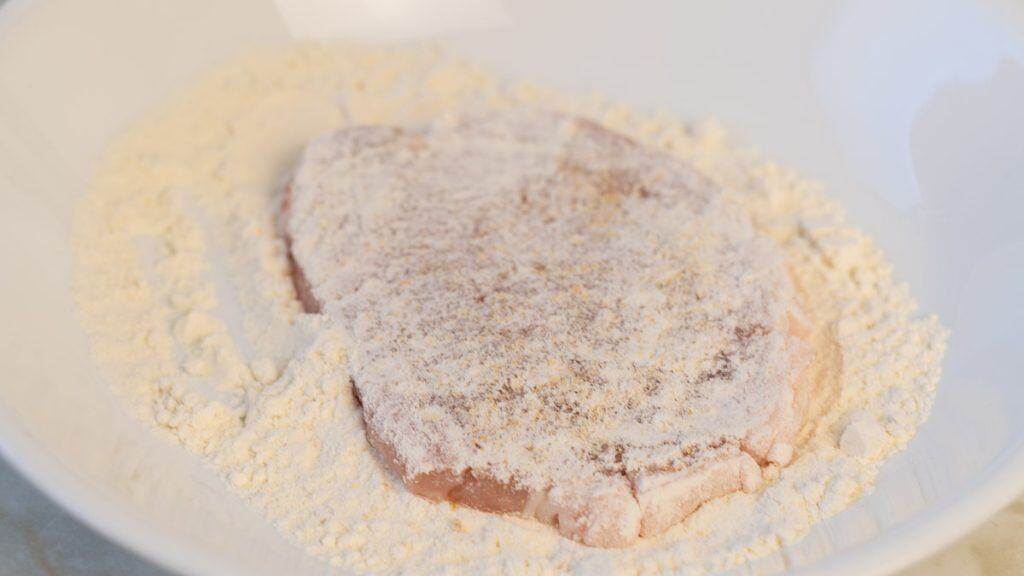
Next, we’ll dust the pork chops with flour. The flour coating around the pork cutlets will serve as a barrier to moisture loss from the meat during deep frying.
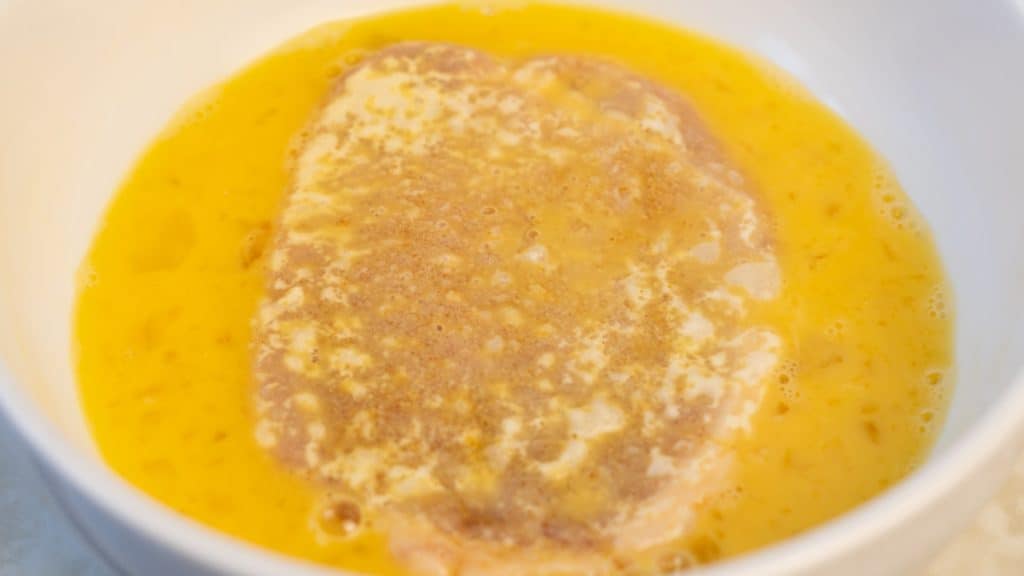
Then, we’ll soak the pork cutlets in beaten egg. The egg will act as a glue to help the panko crumbs stick to the cutlet.
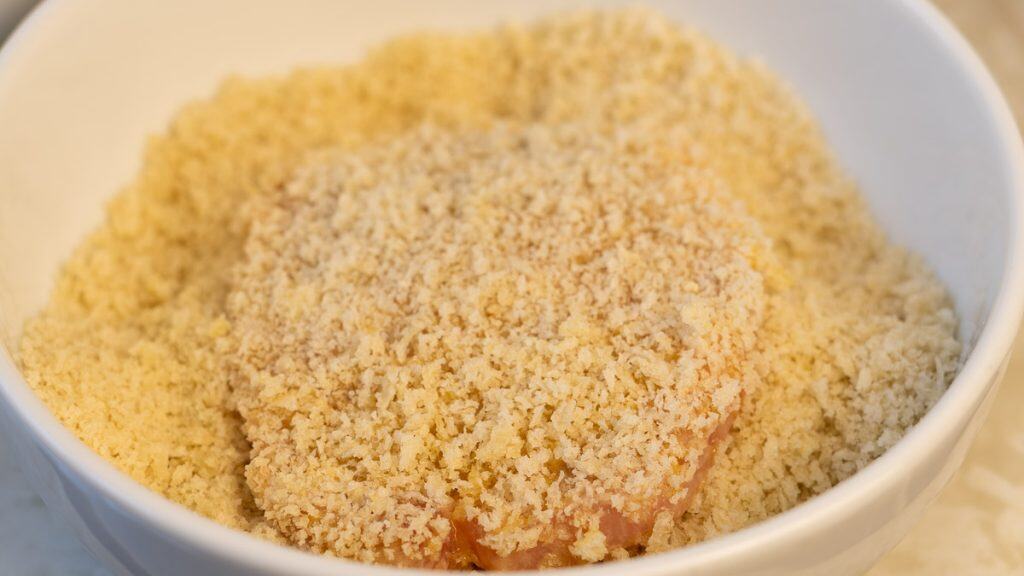
Finally, we’ll coat the pork in panko crumbs. Make sure to coat the pork chops generously with panko crumbs so that we maximize crispiness!
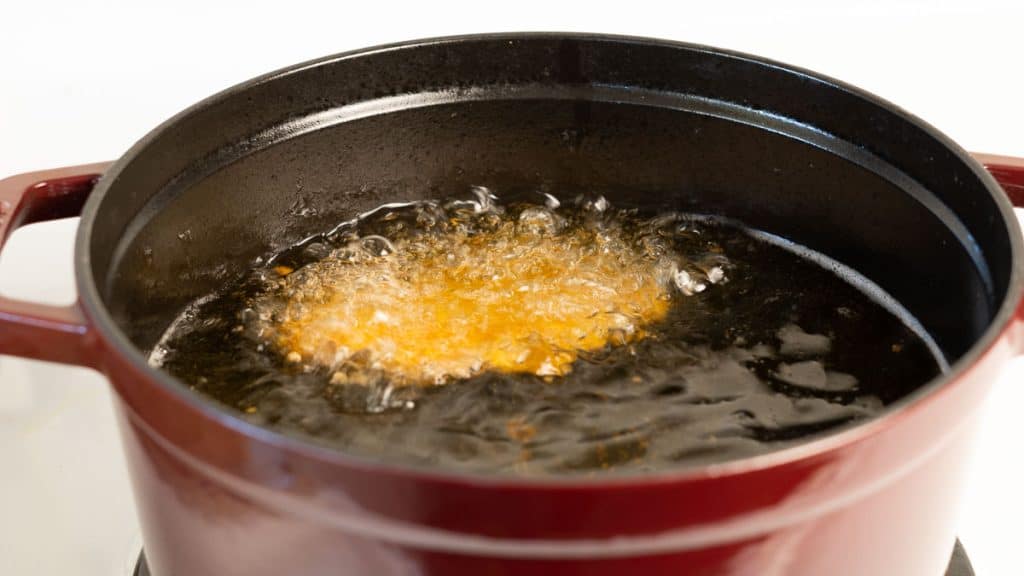
Fill a heavy-bottomed pot (like a Dutch oven) with neutral-flavoured oil about 2 inches high. Heat the oil up to a temperature between 335 – 350 ºF. If you don’t have a digital thermometer to make temperature readings, test the temperature of the oil with wooden chopsticks. If the oil bubbles around the chopsticks then, it is ready. Then, carefully place the pork cutlet into the hot oil and fry until golden brown. Fry cutlets one at a time, making sure the temperature of the oil doesn’t drop too much.
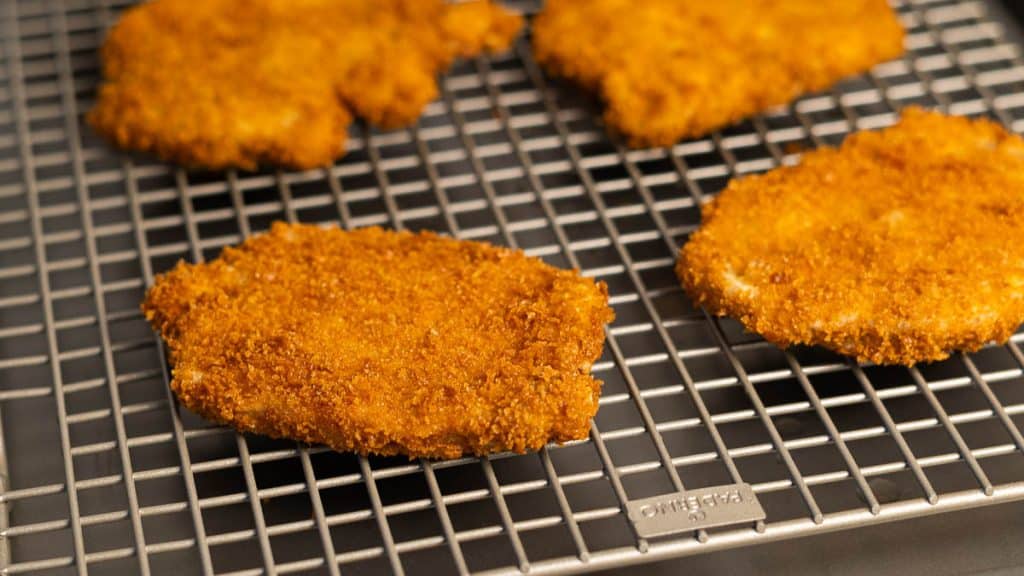
Once golden brown, remove the pork cutlet and place it on a cooling rack or paper towel-lined plate. I prefer using a cooling rack since I found that the pork cutlets may lose their crispiness since they tend to trap moisture underneath the paper towel. Check that the internal temperature is at least 145 ºF.
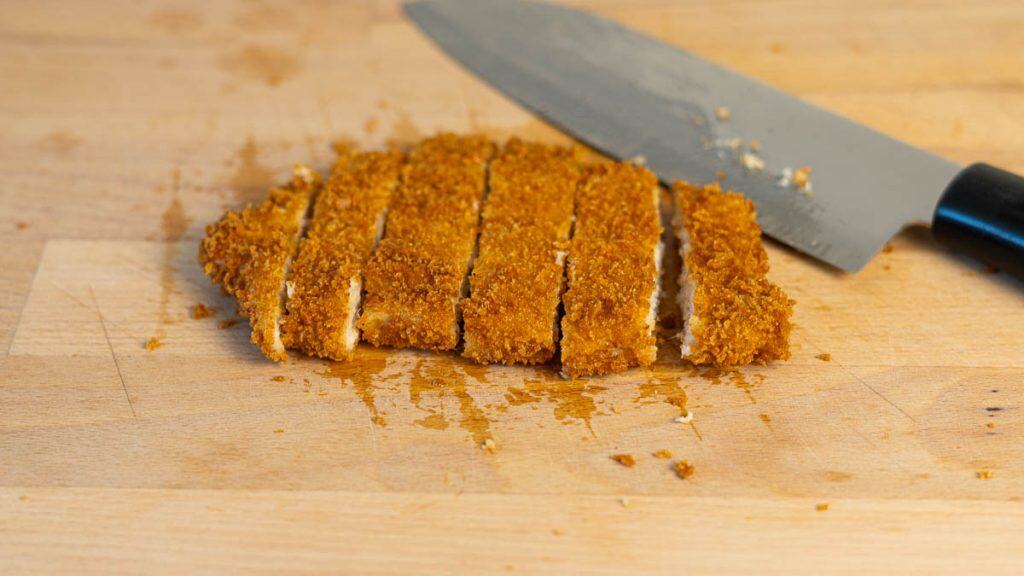
Slice the pork katsu into strips to serve on top of the curry and rice.
Pork Katsu Curry
Crispy, deep-fried pork cutlet on top of a golden Japanese curry and a bed of steaming white rice, served with shredded cabbage and a drizzle of sweet and sour tonkatsu sauce.
4
people25
minutes1
hour40
minutes479
kcal2
hours5
minutesKeep the screen of your device on
Ingredients
- Curry
1 tbsp unsalted butter
2 cloves garlic , minced
1 tsp ginger , minced
1 yellow or white onion , sliced into wedges
3 tbsp flour
1 tbsp curry powder
1 tsp garam masala
1 tsp paprika
1 carrot , peeled and cut into ½ inch pieces
2 medium yellow potatoes , peeled and cut into 1-inch pieces
4 cups unsalted chicken stock
1 tsp salt
1.5 tbsp brown sugar
2 tbsp dark soy sauce
1 tbsp cornstarch
2 tbsp cold water
- Pork Katsu (Pork Cutlet)
1 lb pork loin , sliced ½ – ¾ inch in thickness
½ tsp salt
¼ tsp white pepper
½ tsp garlic powder
½ tsp onion powder
3 tbsp flour
2 eggs , beaten
1 cup panko crumbs
oil , for deep frying
- To serve
2 cups shredded cabbage
tonkatsu sauce
steamed rice
Directions
- Japanese Curry
- Melt butter in the pan on medium heat.
- Fry the garlic, ginger, and onions until fragrant and onions are slightly browned.
- Add flour, curry powder, garam masala, and paprika to the pan and stir for 30 seconds.
- Stir in carrots, potatoes, chicken broth, salt, brown sugar and dark soy sauce. Cover and bring to a boil. Simmer uncovered on medium heat for 15 – 20 minutes.
- Check that the potatoes and carrots are fork tender.
- Mix cornstarch and water in a small bowl until starch is dissolved. Pour the cornstarch slurry into the sauce while stirring constantly until thickened.
- Deep-frying Pork Katsu
- Make slits around the connective tissue of the pork loin so it’s less likely to curl up during deep frying.
- Flatten both sides of the pork loin slices with a meat mallet.
- Mix salt, white pepper, garlic powder, and onion powder in a small bowl. Sprinkle the seasoning mix on both sides of the pork chops.
- Fill a heavy bottomed pot about 2 inches high with neutral-flavoured oil. Heat the oil on medium to medium high heat until the temperature of the oil is 335 – 350 °F.
- Coat a pork loin slice with flour and then egg. Shake off any excess egg.
- Generously coat pork loin with panko bread crumbs.
- Deep fry the pork loin slices for 2 – 3 minutes or until golden brown, flipping the pork cutlets frequently in the oil to ensure even cooking. Fry 1 or 2 cutlets at a time only. If the cutlets are browning too slowly, do 1 cutlet at a time.
- Remove the pork cutlet from the oil and place on a cooling rack or paper towels. Check that the internal temperature of the pork is at least 145°F.
- Check the temperature of the oil before frying each cutlet to ensure that the temperature of the oil is 335 – 350 °F.
- Putting it all together
- Cut all the pork katsu into strips, and serve on top of white rice and curry with shredded cabbage on the side.
Recipe Video
Nutrition Facts
- Total number of serves: 1
- Calories: 479kcal
- Fat: 12g
- Saturated Fat: 5g
- Trans Fat: 0.1g
- Polyunsaturated Fat: 2g
- Monounsaturated Fat: 4g
- Cholesterol: 161mg
- Sodium: 1670mg
- Potassium: 1281mg
- Carbohydrates: 53g
- Fiber: 6g
- Sugar: 10g
- Protein: 40g
- Vitamin A: 3052IU
- Vitamin C: 33mg
- Calcium: 112mg
- Iron: 5mg